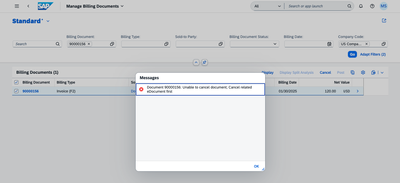
In Portugal, offers with a value above €50 are subject to VAT reporting. However, the way this VAT is handled varies depending on the business scenario:
- VAT charged to the customer: In some cases, the VAT amount is included in what the customer pays.
- VAT absorbed by the company: More commonly, the company offering the promotion covers the VAT cost itself.
This second scenario introduces additional complexity, as the accounting and tax reporting must remain accurate—even when the customer does not directly bear the VAT.
Recommended Approach for the scenario of “VAT absorbed by the company”
Since there is no specific SAF-T (Standard Audit File for Tax) code designed for these types of documents, companies need a structured workaround to ensure compliance. Below is a recommended approach:
1. Create a Dedicated Tax Code
Start by defining a specific tax code tailored to these offers:
- Configure the tax code with two account types:
- Added (positive) and posted to a VAT G/L (account key MWS).
- Subtracted (negative) and posted to a cost/expense G/L (e.g., a dedicated “offer VAT expense” account, using a second account key such as ESE).
This dual setup allows the VAT amount to be both recognized and offset, reflecting the fact that the company is absorbing the cost rather than passing it on to the customer.
2. Configure Pricing Procedures in SD
To correctly post the VAT impact, you should define two separate SD pricing conditions:
- In the first pricing condition assign the VAT account key MWS.
- In the second pricing condition use an alternative account key, such as ESE.
3. Integrate both Pricing Conditions into Pricing Procedure
Both pricing conditions must be incorporated into the pricing procedure for documents involving offers. This ensures that the correct tax handling is automatically triggered during billing.
4. Posting the Document
When the transaction is posted:
- The gross value of the document is €0.00.
- This zero value is the one used for the digital signature.
Despite the presence of VAT calculations in the background, the document itself reflects a net-zero financial transaction from the customer’s perspective.
5. SAF-T Reporting Implications
In the SAF-T file:
- The tax amount will appear as zero.
- However, the relevant tax information is still included in the Tax section.
This ensures transparency and compliance with reporting requirements, even when no VAT is effectively collected from the customer.
Hope you enjoyed this information.
Cheers,
Elsa